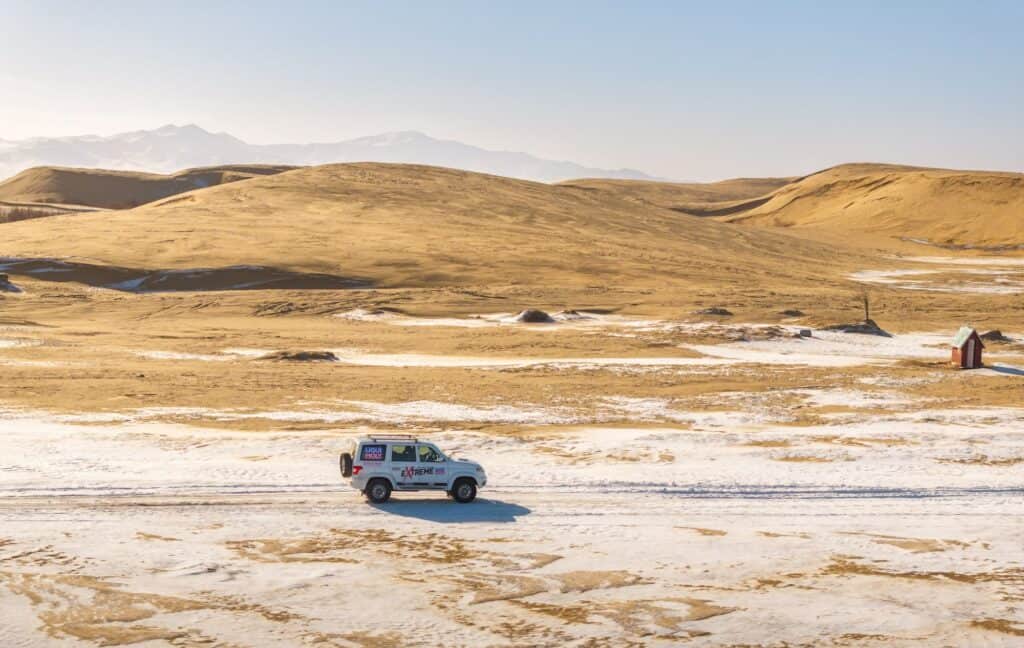
שאלו כל מטייל מה הוא מדמיין כשהוא שומע את המילה “מדבר גובי”, ורוב הסיכויים שאתה תקבל תגובה דומה: חול, עד הראייה. זוהי אי-הבנה מתמדת – כי במציאות, רק כחמישה אחוזים מדמבר גובי מכוסים בחוצים. השאר הוא שילוב גיאולוגי של קניונים סלעיים סגולים, מגדלי גרניט שנראים כמו חורבות של תרבות נטולת חיים, וצוקים שבהם התגלו ביצי הדינוזאורים הראשונים בעולם. במובן מסוים, מדבר גובי אינו אפילו מדבר יחיד, אלא מופשט של שטחים סוואליים, שטחים סמוקיים, ושטחים סלעיים נטולי צמחייה – מרוחקים, נדירים לביקור, ובעיקר בגלל זה, אחד המקומות המדהימים ביותר על פני כדור הארץ.
למדריך המעשי המלא לתכנון הטיול שלכם, בקרו ב מדריך טיולים למונגוליה.
מדבר גובי במספרים
(וגם אבסורדיות)
רק חמישה אחוזים חול: שאר מדבר גובי מורכב מאדמה סטיפה, סלעים, חצץ ושטחים חצי-מדבריים. כל מי שציפה לחוף חול אינסופי טעה לחלוטין בהערכה זו של הנוף.
מקום הולדתו של ביצת הדינוזאור. בחוף השרים הלהטילים של בייאנזאג, נחשפו ב-1923 ביצי דינוזאור המאובנים הראשונות בעולם – רגע מכונן בפלאונטולוגיה, שנמצא במרכז המדבר.

גבעות שרותקות לשירה. במקומות מסוימים באזור מדבר גובי, הרוח יוצרת צליל עמוק ורם. כשהולכים שם, אפשר לחוש את הכוח האולטימטיבי של הטבע.
התנודות בטמפרטורה של עד 80 מעלות צלזיוס בשנה. קיצים מעל 40 מעלות צלזיוס, חורפים עד -40 מעלות צלזיוס: מדבר גובי אינו מכיר מתינות.
דוב גובי (Mazaalai). הערכות מראות כי רק כ-30 עד 40 מהחיות הללו עדיין חיים בטבע, מה שהופך את דוב גובי לדוב המיוחד ביותר בעולם. זו גם המין היחיד של הדובים שחי בפרק זמן ארוך במיוחד במדבר. דוב המזהאלי ניזון בחלקו מקורות ריבה פראיים ולפעמים נוסע יותר מ-160 קילומטרים בין מגרשי השקיה. לראותו פירושו, ממש במובן המילולי, דבר נדיר הרבה יותר מלהרוויח בלוטו.
אחד מעולות הלילות האפלים ביותר באזור הצפוני של כדור הארץ. ללא ערים מרכזיות וללא זיהום אור באופן כמעט מוחלט, שביל החלב מרגיש מספיק קרוב כדי שאפשר לגעת בו.
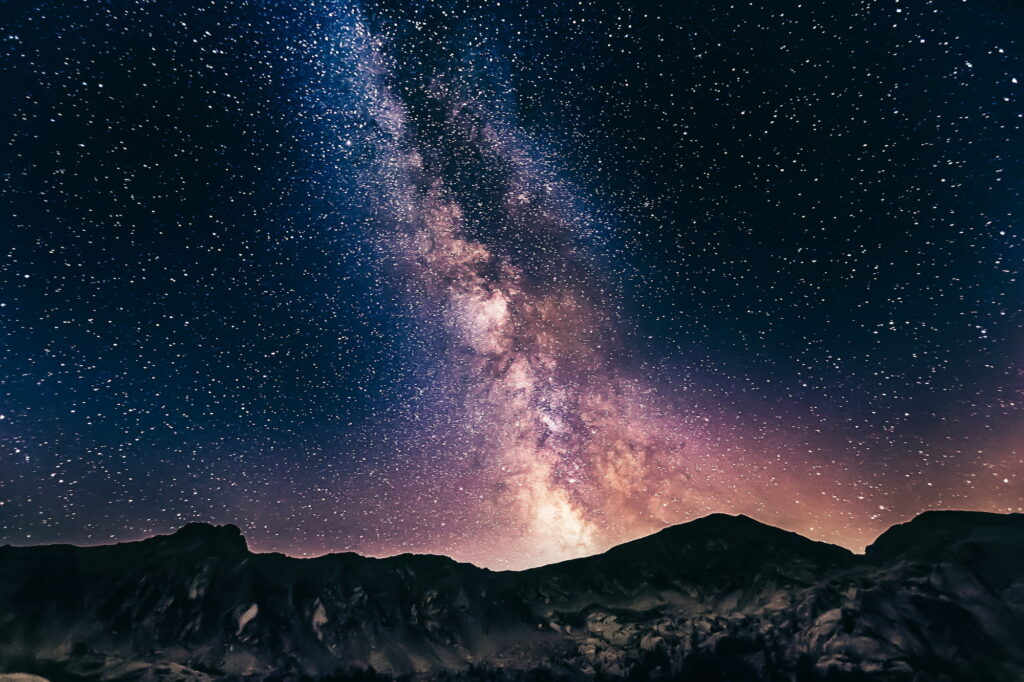
גדול יותר מגרמניה, צרפת וספרד ביחד. מדבר גובי משתרע על פני כ-1.3 מיליון קמ"ר במרחב מונגוליה וסין. בקרים במקום סוסים. במדבר גובי, גמלים בקטריים בעלי שני ענפים הם אמצעי התחבורה המועדף – זוהי אחת מהאזורים האחרונים על פני כדור הארץ שבהם עדיין קיים הצורה המקורית הפראית שלהם.
חקירת מדבר גובי בטיול עצמאי
הרפתקה של פעם בחיים
הדרך הטובה ביותר לחוות את מדבר גובי היא מאחורי ההגה – במסגרת סיור עצמאי ברכב 4×4, שבו הנוסעים מנהלים את הנהיגה בעצמם, בעוד שהמסלול, מקומות האירוח והלוגיסטיקה מאורגנים ברקע. לצדדים לראשית הסתיו, השיקנו שני מסלולים חדשים לתוך מדבר גובי:
- סיור מהיר במדבר גובי (4 ימים): מבוא קומפקטי למדבר גובי — טסאגאן סוורגה, הדיונות של מולטסוג אלס והצוקים הבהירים של בייאנזאג, יציאה ישירה מן שדה התעופה.
- דיונות גובי אל ארץ הסוסים (9 ימים): מסלול מעמיק יותר מהמדבר הגוביי הדרומי ועד ארץ הסוסים הירוקים של הרי קהנגאי והעיר ההיסטורית קארקורום.
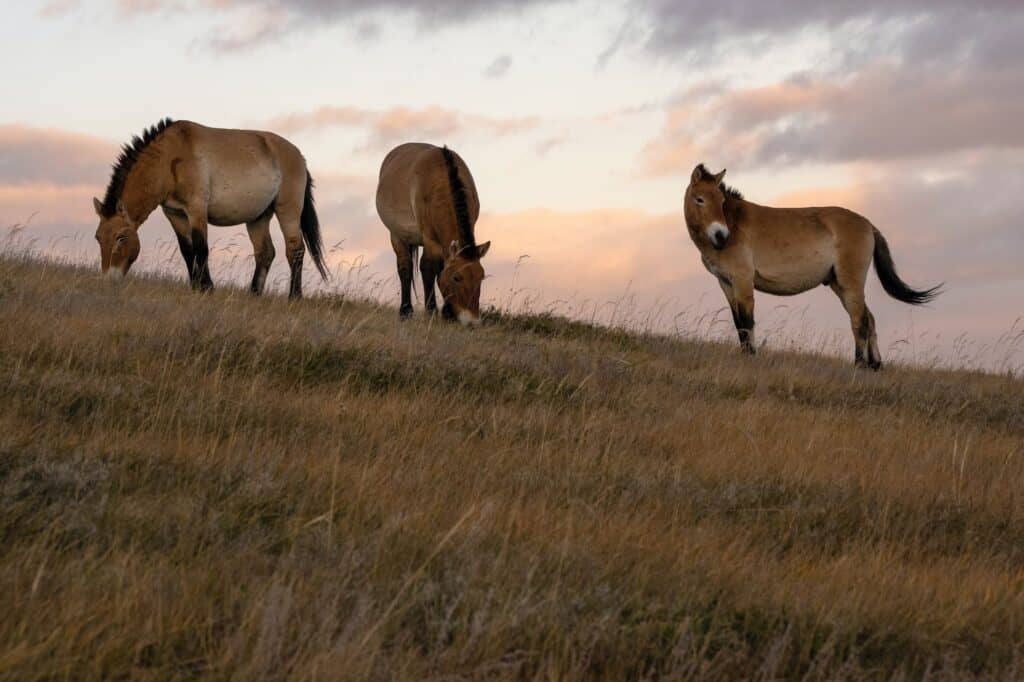
שני הסיורים מתוכננים כטיולים ללא נהג: רכב משלכם, מסלול מתוכנן מראש באמצעות מערכת GPS, לינה שהזמנתם מראש ותמיכה 24/7 מצוות המקום. דבר אחד נכון לשניהם — ברגע שנסעתם בעצמכם במדבר גובי, כבר לעולם לא תחזרו לומר שזה רק חול.“