La saison des événements en Mongolie dont personne ne vous parle (et franchement, tant mieux — plus d'aigles pour nous)
Tout le monde et son chien vous conseillent de visiter la Mongolie en été. Le Naadam par ci, la steppe verte par là. Très bien. Mais voici ce que personne ne met sur une carte postale : à l'approche du mois de septembre, les bus touristiques se font rares, les mélèzes s'enflamment (façon jolie et dorée, pas façon incendie pour de vrai), et une bande de cavaliers débarque avec des aigles de la taille de bambins.
Si vous faites défiler les pages à la recherche d'événements en Mongolie qui valent la peine d'organiser un voyage, arrêtez de chercher. Les mois de septembre, octobre et novembre sont votre fenêtre de tir. Voici pourquoi.
Pour le guide pratique complet pour planifier votre voyage, visitez notre Guide de voyage de la Mongolie.
1 – Le temps se rafraîchit enfin
L'été en Mongolie signifie Températures du Gobi flirtant avec les 40 °C et une densité touristique qui peut donner l'impression qu'un pays de la taille de l'Europe occidentale est un peu à l'étroit dans les endroits prisés. Arrivé en septembre, le pays souffle. Les températures diurnes se situent dans une fourchette très raisonnable allant de la mi-quinzaine à la vingtaine, les fraîches nuits s'installent, et tout le paysage cesse d'avoir l'air brûlé par le soleil pour ressembler à ce qu'il a été stylisé par un filtre Instagram – sauf que c'est réel, et que vous n'avez à vous battre avec personne pour la photo.
Octobre et novembre poussent le curseur un peu plus loin vers “ sortez une vraie veste ”, avec des températures diurnes qui descendent vers un chiffre et des nuits bien en dessous de zéro par endroits. Ce n'est pas un inconvénient — c'est le prix à payer pour des paysages déserts, des prix nettement plus bas et un accès aux premières loges pour le plus grand spectacle automnal du pays. Plus de détails juste en dessous.

2 – La tête d'affiche : les festivals de l'aigle royal (oui, au pluriel !)
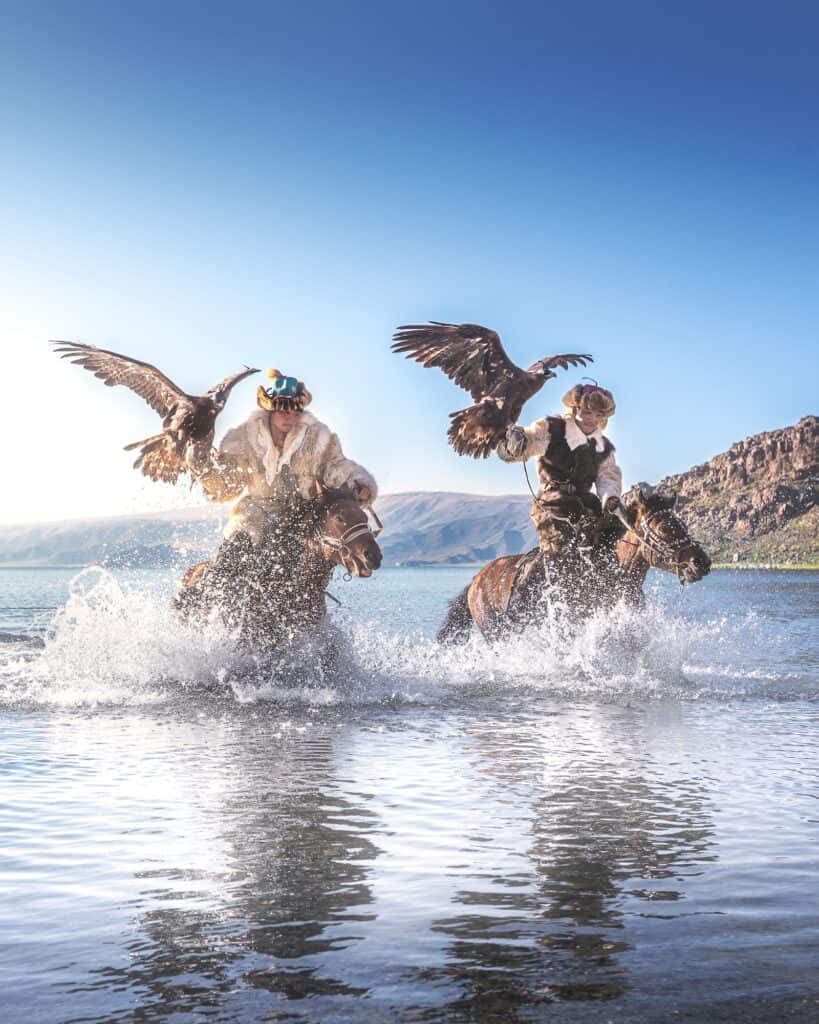
C'est la principale raison pour laquelle votre calendrier devrait avoir “ Mongolie ” encerclé en septembre et octobre. Dans la province de Bayan-Ölgii, dans la région balayée par les vents Montagnes de l'Altaï près de la ville à majorité kazakhe d'Ölgii, des chasseurs à l'aigle kazakhs passent l'automne à faire étalage de siècles de tradition de fauconnerie - et ils ne le font pas qu'une seule fois.
Mi-septembre : Des festivals de qualification plus petits et plus locaux (notamment les Jeux nomades de l'Altai et le festival de Sagsai) lancent la saison : moins de touristes, des prix plus bas et une vraie chance de pouvoir discuter avec les chasseurs.
Début octobre : Le grand. Le principal Festival des aigles royaux à Ölgii attire des chasseurs de toute la province pendant deux jours d'épreuves de vitesse, de chasse de précision, de jeux équestres et d'un défilé en costume traditionnel qui fait passer tous les autres “ festivals culturels ” auxquels vous avez assisté pour une pièce de théâtre d'école.
Imaginez la scène : un chasseur coiffé d'un bonnet en peau de renard galope à travers la steppe, lève le bras, et un aigle de la taille d'un tout-petit tombe du ciel sur un leurre comme s'il attendait toute la semaine ce moment exact de mise en scène. C'est bien le cas. C'est en gros tout le festival, et c'est spectaculaire à chaque fois.
3 – Les mélèzes se mettent en valeur
Le nord de la Mongolie — pensez à Khuvsgul, à l'Arkhangai, à la chaîne du Khangai — se transforme en un mur d'or en septembre, lorsque les forêts de mélèzes changent de couleur. Contrairement à la plupart des conifères, les mélèzes perdent leurs aiguilles en automne, et juste avant de le faire, ils s'embrasent d'un or profond, presque irréel, qui contrastera avec le vert sombre des pins environnants. Associé à des lacs alpins bleus et à des troupeaux de yaks ne faisant absolument rien au premier plan, c'est le genre de paysage qui vous fait arrêter la voiture toutes les dix minutes — ce qui, par chance, correspond exactement au type de voyage pour lequel un itinéraire en 4x4 autotour est conçu.
4 – Aux premières loges de la vraie vie nomade
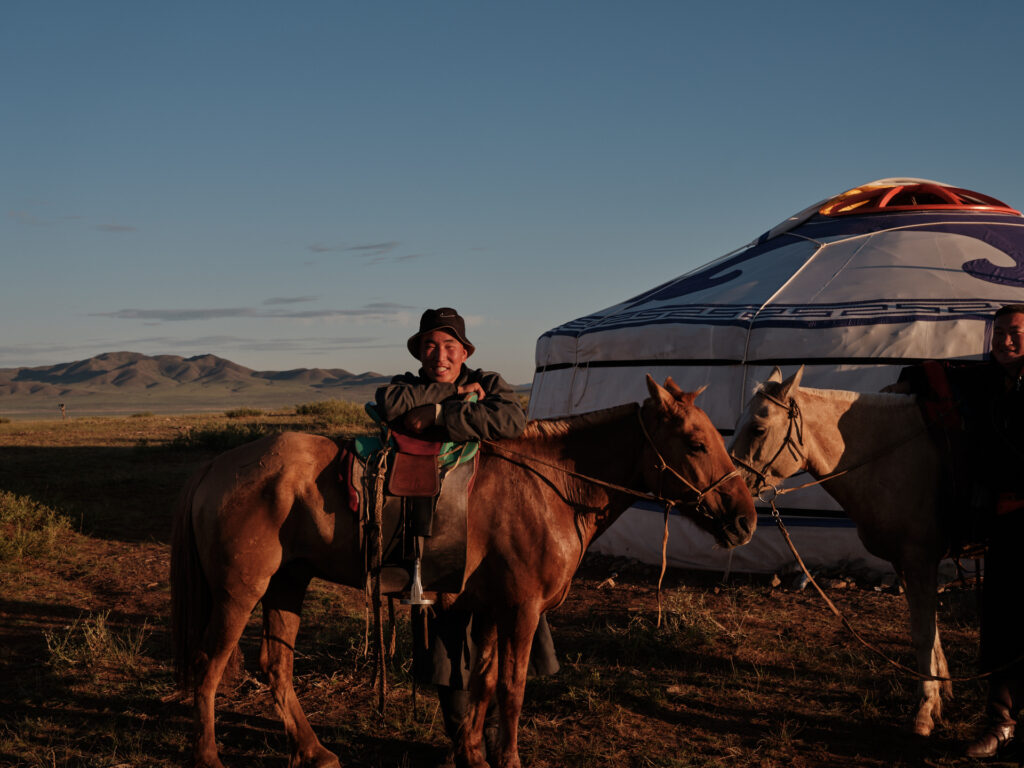
Le tourisme estival en Mongolie est agréable, mais c’est aussi la haute saison – ce qui signifie que tout le monde est un peu débordé par l’accueil des visiteurs. L’automne, c’est autre chose. C’est à cette période que les familles d’éleveurs se consacrent pleinement aux préparatifs de l’hiver : transformation du lait, fabrication de fromage et de caillé séché, tri du bétail, et plus généralement, toutes ces tâches peu glamour mais véritablement fascinantes qui permettent à un foyer nomade de survivre à l’hiver mongol, particulièrement rigoureux. Les voyageurs qui arrivent en septembre se retrouvent souvent impliqués dans ces activités : un bol d’airag frais par-ci, une petite leçon de pressage de fromage par-là. C’est moins mis en scène, ça ressemble davantage à : “ On est justement en train de faire ça, tu veux nous donner un coup de main ? ”
5 – Taliin Tumen Aduu : Là où la culture équestre de la Mongolie prend vie
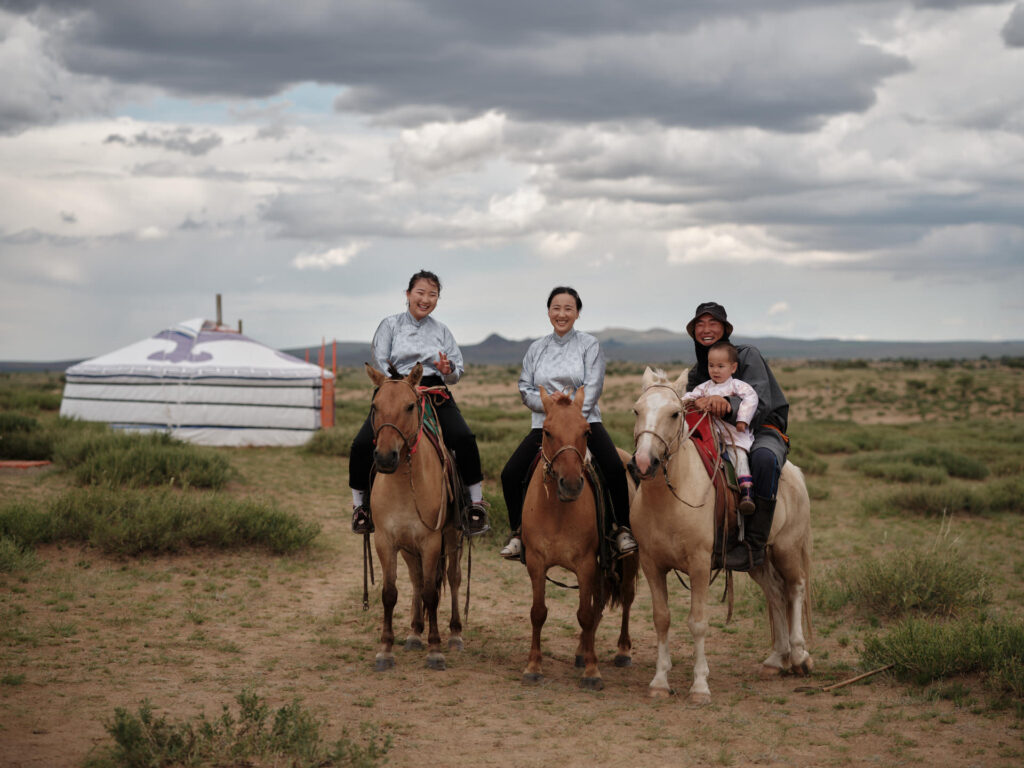
Parmi les événements mongols les plus inoubliables, le festival Taliin Tumen Aduu insuffle chaque mois de novembre l'esprit de la steppe. Des centaines de chevaux galopent à travers les prairies tandis que des cavaliers démontrent des compétences transmises de génération en génération. Des démonstrations de pastoralisme traditionnel aux spectacles culturels hauts en couleur, le festival offre une place de choix pour découvrir l'héritage nomade de la Mongolie. C'est une célébration époustouflante de la liberté, de la tradition et du lien indéfectible entre l'homme et le cheval.
6 – Ciels vides, étoiles bruyantes
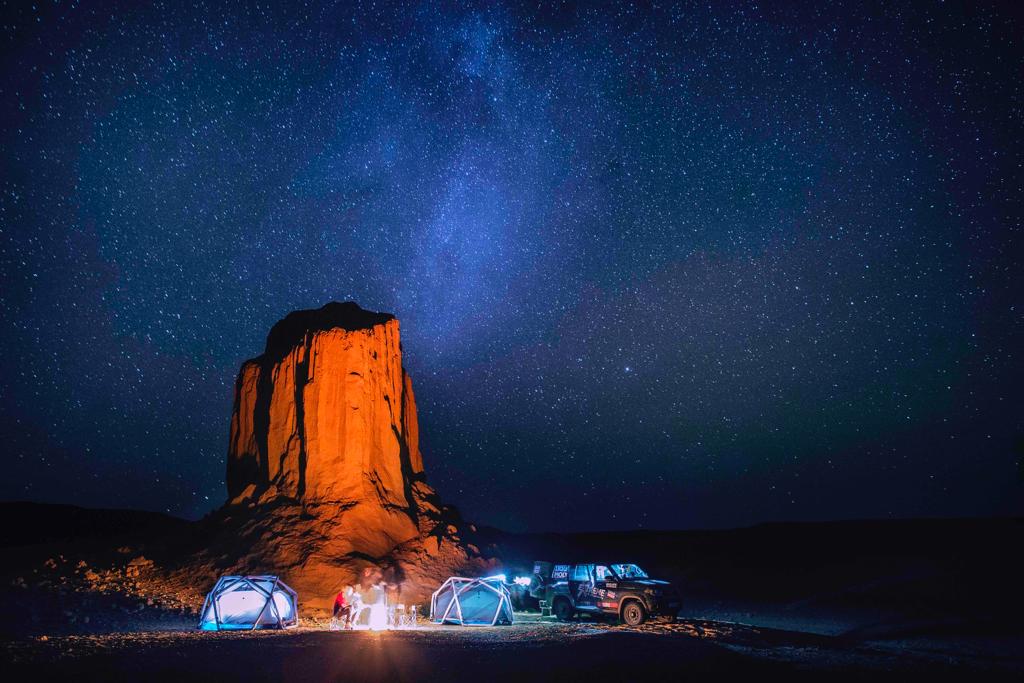
Alors que les jours raccourcissent et que l'air s'assèche, les ciels nocturnes déjà célèbres de la Mongolie deviennent encore plus spectaculaires. Avec pratiquement zéro pollution lumineuse en dehors d'Oulan-Bator et un air d'automne plus limpide, les nuits de fin septembre et début octobre offrent une vue de la Voie lactée qui coupe véritablement la parole en plein milieu d'une phrase. Apportez des vêtements chauds, un trépied, et allongez-vous.